Why Every Funeral Doesn't Need to Look the Same
For a long time, many people have had a fairly fixed idea of what a funeral should look like.
There may be a particular order of service, certain words that are expected to be spoken, formal clothing, familiar music and a traditional setting. For some families, this structure feels comforting and appropriate. For others, it may not feel like the right way to remember the person who has died.
The truth is that there is no single way to say goodbye.
Every person is different, every family is different and every relationship with the person who has died is different. It makes sense, then, that funerals do not all need to look the same.
A meaningful funeral is not necessarily the most traditional one. It is the one that feels appropriate for the person and the people who loved them.
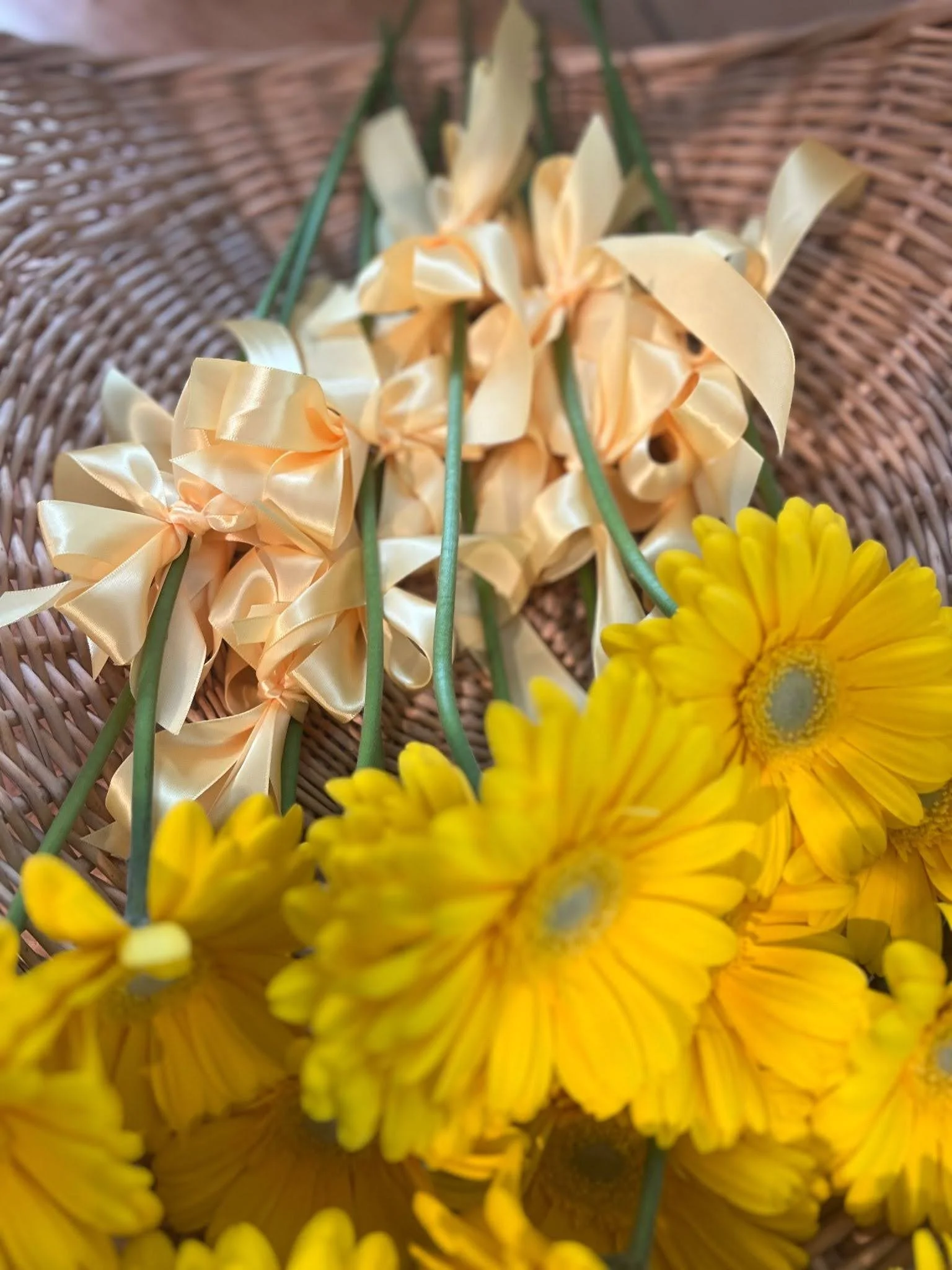
A funeral can reflect a person's life
One of the most important reasons to personalise a funeral is that a person's life was personal.
Someone who spent their weekends gardening - flowers may be an important part of the ceremony, like inviting everyone to bring a flower from their garden. A passionate musician might have their favourite songs woven through the ceremony.
These details may seem small, but they can make a ceremony feel recognisable.
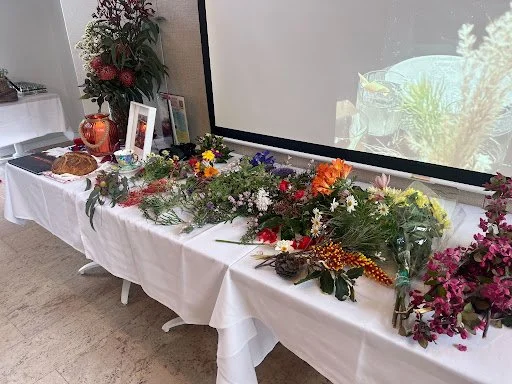
Instead of simply listing someone's achievements, a personalised funeral can capture the things that made them who they were.
These are often the memories families hold onto long after the formal ceremony has ended.
Not everyone wants a traditional service
Traditional funerals can provide structure at a difficult time. They give families a familiar framework when they may not know what to do next.
But tradition should be an option, not an obligation.
Some people may prefer a quiet gathering with close family.
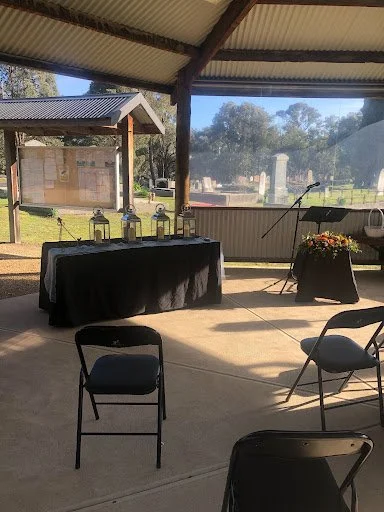
Others may want a large celebration filled with stories and music. Someone else may want a simple ceremony followed by an informal gathering where people can eat, talk and share memories.
A funeral can have structure without being overly formal. It can be relaxed without being disrespectful.
The important question is not, "What is a funeral supposed to look like?"
It is, "What would feel meaningful for this person and their family?"
Music can change the atmosphere
Music is one of the simplest ways to make a funeral feel personal.
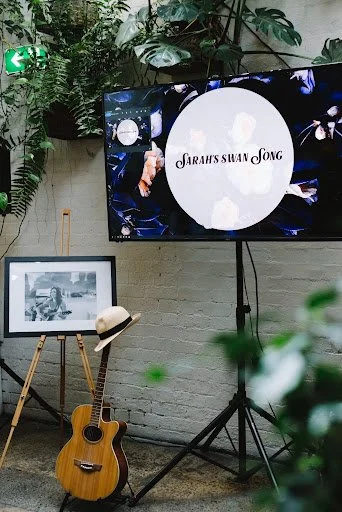
A family might choose a song that reminds them of the person. It could be something they listened to regularly, a song connected to a particular period of their life or simply a piece of music that expresses something words cannot.
There is no requirement for every piece of music to be solemn.
A cheerful song can sometimes be more appropriate than a sad one. If the person loved dancing, singing or a particular artist, including that music can bring their personality into the room.
There is room for laughter
Many people worry that laughing at a funeral might somehow be inappropriate. But grief and laughter can exist together.
A ceremony does not need to be serious every second to be respectful.
Sometimes sharing in laughter gives people a brief moment of relief. It can remind everyone that the person being remembered was more than the circumstances of their death.
The setting can be personal too
A funeral does not necessarily have to feel like a formal event.
Depending on the circumstances and available options, families may choose a chapel, a community space, a private home, a garden or another meaningful location.

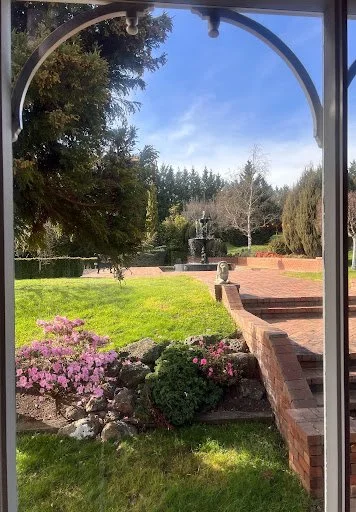
The setting can influence the atmosphere of the farewell.
A favourite location, a familiar landscape or a place associated with important memories can sometimes help people feel closer to the person they are remembering.
Cultural and family traditions matter
Personalisation does not mean abandoning tradition.
For many families, cultural, religious and family customs are an essential part of saying goodbye. These traditions can provide a sense of connection particularly during a time of loss.
Families may also combine traditional elements with more personal choices.
A ceremony might follow important cultural practices while including a favourite song, personal stories or photographs. Another family might observe religious traditions while creating space for friends to share informal memories.
There is no need to choose between tradition and personality. The two can exist together.
Children can be included
Children are sometimes excluded from funeral ceremonies because adults worry that they will find the experience too difficult.
But children can have their own meaningful ways of saying goodbye.
Depending on their age and wishes, they might draw a picture, choose a song, place a flower, share a memory or simply attend the ceremony.
Giving children choices can help them feel included without putting pressure on them.
There is no need to force a child to speak, touch the coffin or participate in a particular ritual. Their involvement should be guided by what feels comfortable for them.
There is no need to copy someone else's funeral
It can be tempting to compare funerals.
A family might remember a beautiful ceremony they attended years ago and assume they need to create something similar. Someone might suggest what worked for another family. But what worked for one person may not work for another.
A funeral should not be designed to satisfy other people's expectations.
Families can take inspiration from ceremonies they have experienced while still creating something that belongs to them.
The goal is not to produce an impressive event. It is to create a meaningful opportunity to acknowledge the death and remember the person.
Personal does not mean complicated
Personalisation does not require a long list of special elements.
Sometimes one small detail can change the entire feeling of a ceremony.
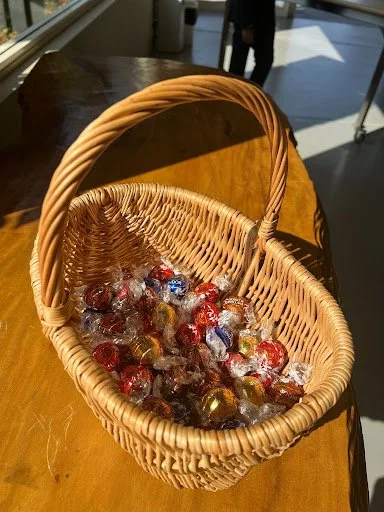
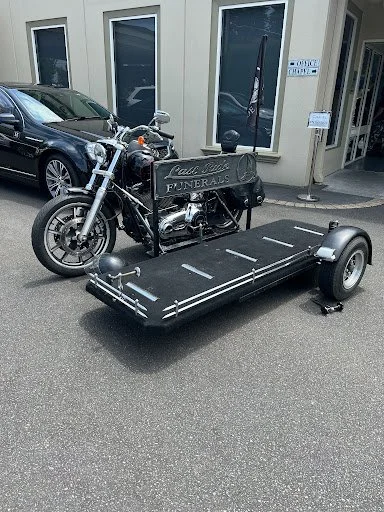
These simple choices can be more powerful than adding lots of formal elements that do not have a genuine connection to the person.
Giving families permission to choose
Perhaps the most important thing to remember is that families are allowed to make choices.
They can decide what feels right, what does not and what they would rather leave out.
They can create something formal or informal, quiet or lively, traditional or highly personal. They can include religious elements, cultural traditions, music, photographs, stories, poetry or moments of silence.
The best farewell is not necessarily the one that follows every expected tradition. It is the one that gives people space to remember, reflect and say goodbye in a way that feels honest.