Living Wakes: Saying Goodbye While You’re Still Here
When most people think about funerals, they picture a gathering held after someone has died. It’s often a mix of grief, reflection and remembrance. But in recent years, more families are embracing a different kind of farewell, one that happens while the person is still alive.
This is known as a living wake.
A living wake is exactly what it sounds like: a ceremony, gathering or celebration held before death, where a person can say goodbye to the people they love, hear what they’ve meant to others and be part of the stories that usually come after they’re gone.
It’s a powerful, deeply human alternative to traditional funerals.
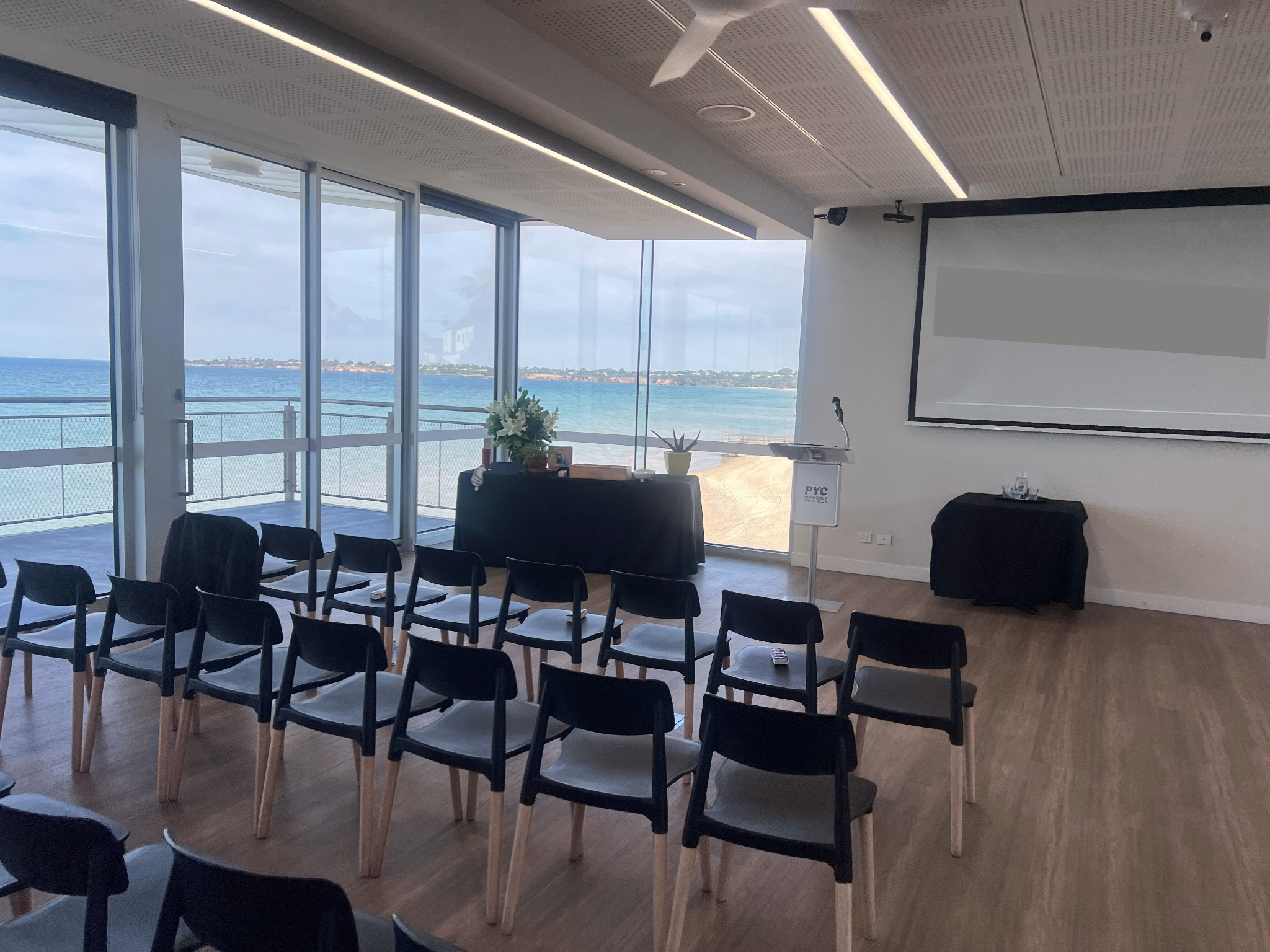
What Is a Living Wake?
A living wake is a planned event, often organised when someone has a terminal illness or is nearing the end of their life. Instead of waiting for a funeral, the person chooses to gather their family and friends while they are still able to participate.
It can look like anything:
A backyard gathering
A beach picnic
A formal ceremony
A casual afternoon with music and storytelling
There are no strict rules. Some people want speeches and structure, while others prefer something relaxed and informal. What matters is the intention, creating space to connect, reflect.
Unlike traditional funerals, a living wake allows the person at the centre of it all to be present. To hear the stories. To share their own words. To laugh, cry and be surrounded by the people who matter most.
Why More People Are Choosing Living Wakes
In Australia, attitudes toward funerals are shifting. People are moving away from rigid traditions and looking for more personal, meaningful ways to honour life and death.
Living wakes are part of that shift.
One of the biggest reasons people choose a living wake is simple: they don’t want to miss their own farewell.
At a traditional funeral, stories are shared, memories are told and love is expressed, but the person it’s all about isn’t there to hear it. A living wake changes that.
It gives people the opportunity to hear what they’ve meant to others, share their own reflections and say goodbye on their own terms, which for many is incredibly comforting.

The Emotional Impact of a Living Wake
There’s something profoundly different about saying goodbye when the person is still in front of you.
It can be confronting, yes. There’s no way around the reality of what’s coming. But there’s also a level of honesty and connection that’s hard to replicate in a traditional funeral setting.
People often speak more openly. They say the things that might otherwise go unsaid. Gratitude is expressed. Love is made visible.
Living wakes are often filled with laughter. Stories from younger years. Shared memories that bring people together. Music that means something. Moments that feel alive rather than purely reflective.
For the person at the centre, it can bring a sense of peace. They get to see the impact they’ve had. They get to feel surrounded by love. They get to leave knowing they’ve said what they needed to say and heard what others needed to tell them.
How a Living Wake Differs from a Funeral
While both living wakes and funerals are about honouring a life, the experience is very different.
A funeral tends to focus on remembrance. It happens after death, often with a structured format and is centred around reflecting on a life that has ended.
A living wake, on the other hand, is about presence.
It’s about connection in real time. Conversations that can go both ways. Shared moments that are experienced together, rather than remembered later.
Another key difference is tone.
Funerals can sometimes feel heavy or formal, depending on the setting. Living wakes often feel more relaxed, more personal and more reflective of the person’s personality.
There’s also flexibility. Without the constraints of traditional funeral expectations, people can shape a living wake in whatever way feels right.
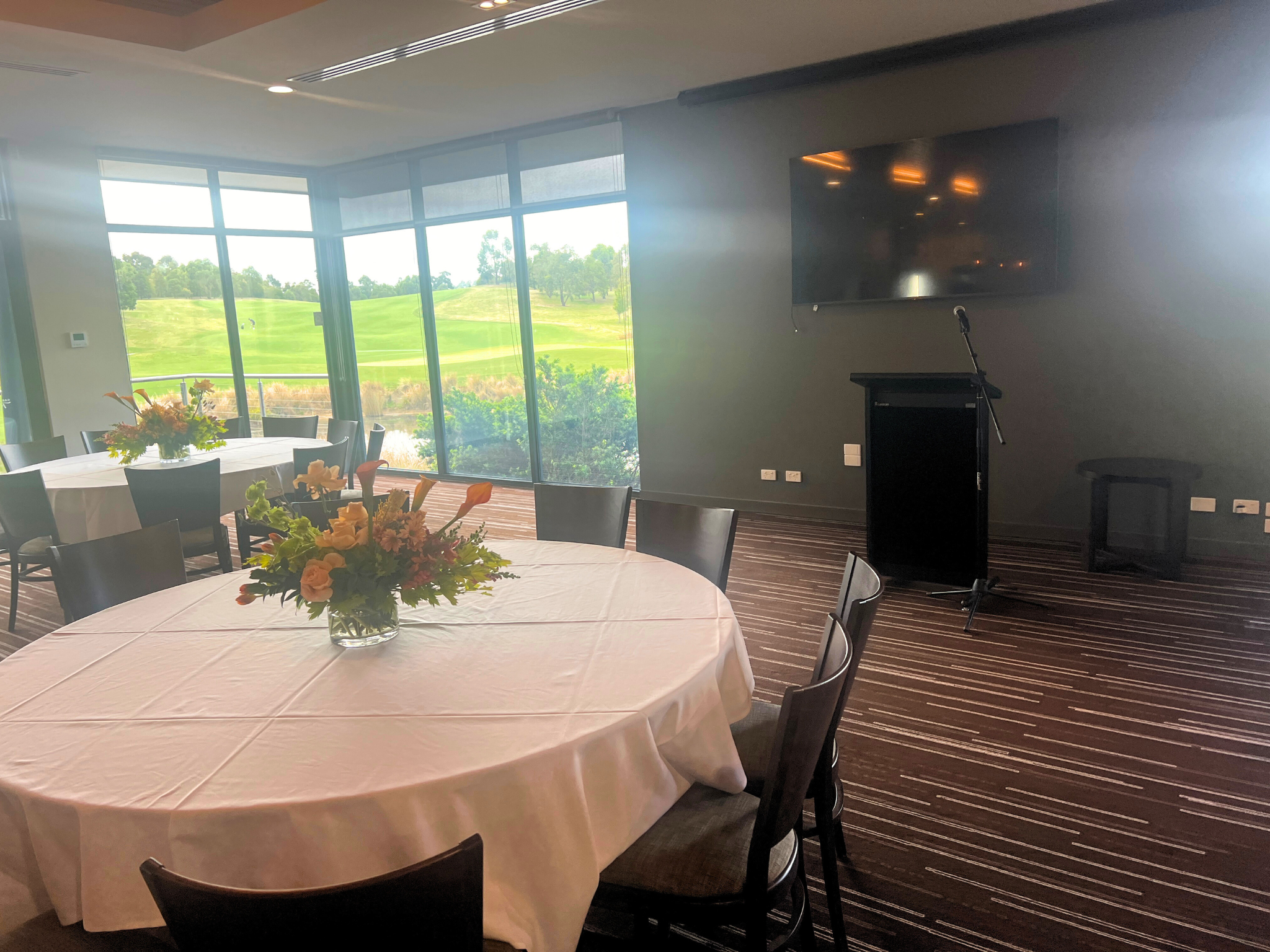
Planning a Living Wake
If someone is considering a living wake, the process doesn’t need to be complicated.
Start with a few simple questions:
What kind of atmosphere feels right?
Who do you want there?
Where would you feel most comfortable?
Do you want structure or something more relaxed?
Some people choose to work with a celebrant to help guide the process, especially if they want someone to take care of the logistics.
Others keep it informal, a simple get-together where people can come and go, share memories, and spend time together.
Timing is also important. Living wakes are often planned when someone still has the energy to participate and engage. That might mean organising it earlier than people expect, rather than waiting until the final weeks.
What Happens After a Living Wake?
One common question is whether a living wake replaces a funeral entirely. The answer is, it depends.
Some families choose to have both. The living wake becomes the main opportunity for connection and storytelling, while the funeral is smaller and more private.
Others decide that the living wake is enough. They may opt for a simple cremation or a quiet gathering afterward, without a formal funeral.
There’s no right or wrong approach. It comes down to what feels meaningful for the person and their family.
Challenges to Consider
While living wakes can be incredibly meaningful, they’re not for everyone.
For some people, the idea of gathering to say goodbye while still alive feels too confronting. It can bring emotions to the surface in a way that feels overwhelming.
There are also practical considerations. Health, mobility and energy levels can affect what’s possible. Planning needs to be flexible and mindful of the person’s comfort.
Family dynamics can also play a role. Not everyone may feel ready to engage in such an open and direct way.
That said, when it works, it can be one of the most powerful experiences a family shares.
The Role of a Celebrant
A celebrant can play a valuable role in a living wake, helping to create a space that feels safe and respectful.
They can guide the flow of the gathering, support people in sharing stories and ensure that the family don’t need to worry about the logistics.
In many ways, the role is similar to a funeral but with the added dimension of working with someone who is still present.
This can lead to deeply personal ceremonies, shaped by the person themselves, rather than by those left behind.
A Different Way to Say Goodbye
Living wakes aren’t about replacing funerals entirely. They’re about expanding the way we think about saying goodbye.
They invite us to be present. To speak openly. To connect while there is still time.
In a culture where conversations about death are often avoided, living wakes create space for honesty and meaning. They remind us that saying goodbye doesn’t have to wait until it’s too late.
For those who choose it, a living wake can be one of the most memorable and meaningful experiences of their life, not because it marks an ending, but because it celebrates connection while it’s still here.
Final Thoughts
At its core, a living wake is about choice.
It’s about deciding how you want to say goodbye and creating a moment that reflects who you are and what matters to you.
Whether it’s a small gathering or a larger celebration, formal or relaxed, emotional or light-hearted, the value lies in the opportunity to be together, to share stories, express love, and acknowledge a life in real time.
And in many ways, that’s what funerals have always tried to do.
A living wake simply brings that moment forward while it can still be felt, shared, and truly experienced.