How to Plan a Celebration of Life with Ideas, Tips and Inspiration

When someone we love dies, there is no single “right” way to say goodbye. For many families, a celebration of life offers a more personal, flexible and meaningful alternative to a traditional funeral. It focuses not only on loss, but on remembering, honouring, and celebrating a life well lived.

In Melbourne and across Australia, celebrations of life are becoming increasingly popular. They allow families to step outside rigid structures and create something that truly reflects the person who has died especially their values, personality, humour and legacy.

If you’re wondering how to plan a celebration of life, this guide offers practical tips, creative ideas, and gentle inspiration to help you create a ceremony that feels right for you and your family.

Fiona Garrivan, Melbourne funerals, melbourne wake ideas, melbourne celebrant, funeral celebrant, celebration of life 2.png

What Is a Celebration of Life?

A celebration of life is a memorial ceremony that centres on who the person was, rather than focusing solely on their death. It can be held:

  • Shortly after the death

  • Weeks or months later

  • With or without the person’s ashes present

Unlike traditional funerals, celebrations of life are not bound by strict rules. They can be formal or relaxed, spiritual or non-religious, intimate or large. What matters most is that the ceremony feels authentic and respectful.

In Melbourne, many families choose celebrations of life as part of modern funerals and memorials, often led by an experienced celebrant.

Start With the Person Being Honoured

The most meaningful celebrations of life begin with one simple question:

Who were they?

Consider:

  • What did they love?

  • What mattered to them?

  • How did they make people feel?

  • What stories do people always tell about them?

Their personality should guide every decision, from music and readings to location and tone. A quiet, reflective person may suit a gentle garden gathering, while someone vibrant and social might be best honoured with music, laughter, and shared stories.

Melbourne celebration of life

Choose the Right Setting

One of the benefits of a celebration of life is flexibility around location. In Melbourne, families often choose:

  • Parks and gardens

  • Beaches or coastal spaces

  • Community halls

  • Private homes

  • Function rooms or favourite venues

Some families also hold memorials in meaningful places like a sporting club, café, or space the person loved.

When choosing a venue, think about accessibility, weather considerations, and whether the space allows people to gather comfortably and reflect.

The Role of a Celebrant

A skilled celebrant plays a vital role in celebrations of life. Unlike religious services with set structures, a celebrant-led ceremony is custom designed for the person being honoured.

A celebrant can:

  • Help you shape the ceremony structure

  • Write and deliver a personalised tribute

  • Guide family and friends who wish to speak

  • Hold space for both grief and gratitude

  • Ensure the ceremony flows with warmth and care

In Melbourne, many celebrants specialise in funerals and memorials, supporting families gently through planning during an emotionally difficult time.

Create a Personal Ceremony Structure

There’s no required format, but most celebrations of life include a few key elements:

Welcome and Opening

A brief welcome acknowledges why everyone has gathered and sets a respectful, inclusive tone.

Personal Story or Tribute

This may be delivered by the celebrant, a family member or a close friend. It tells the person’s story not just milestones, but character, quirks and the impact they have had on others.

Music

Music is one of the most powerful tools in funerals and memorials. Choose songs they loved or pieces that capture their spirit. Live music can also be deeply personal.

Reflection or Ritual

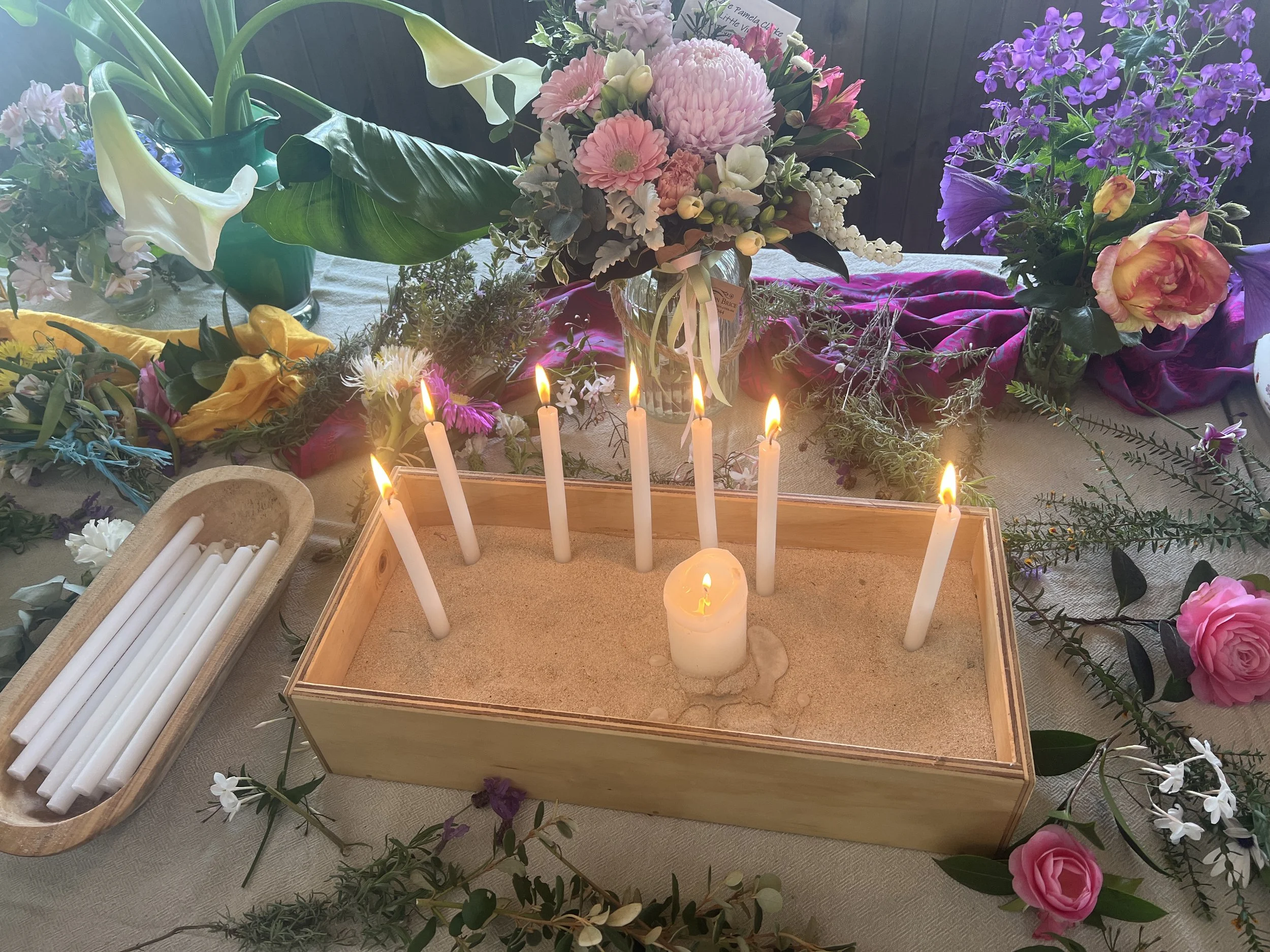
Some families include simple rituals such as lighting candles, sharing flowers or inviting guests to write messages or memories.

Closing

A gentle closing brings the ceremony to a natural end, offering comfort and gratitude to those who attended.

Encourage Shared Memories

A celebration of life doesn’t need to be one-way. Many families find comfort in shared storytelling.

Ideas include:

  • Inviting guests to share brief memories

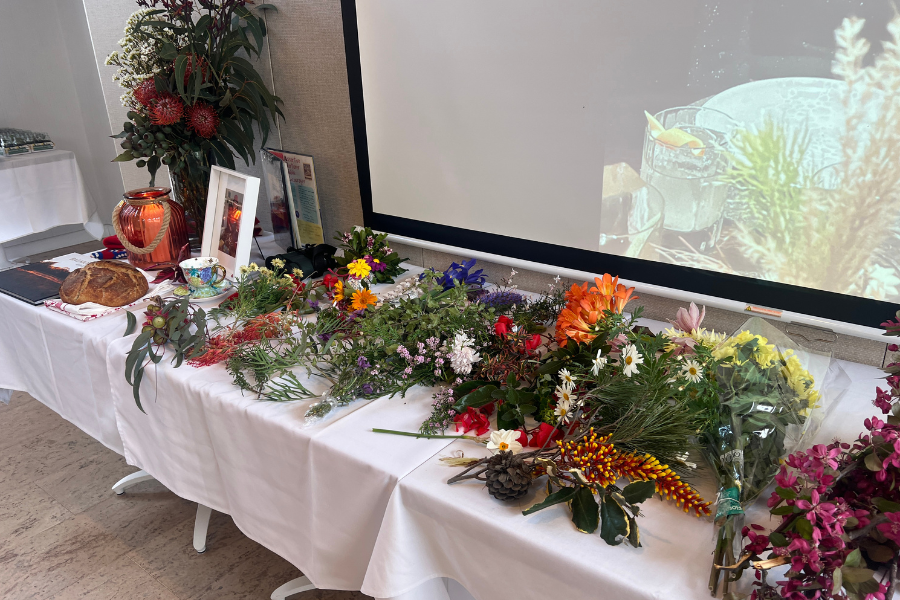
  • Creating a memory table with photos and mementos

  • Providing cards for guests to write messages

  • Displaying a slideshow of images

These moments remind everyone that grief is shared and so is love.

Fiona Garrivan, Melbourne funerals, melbourne wake ideas, melbourne celebrant, funeral celebrant, celebration of life.png

Consider Timing and Flexibility

Unlike traditional funerals, celebrations of life don’t need to happen immediately. Some families choose to wait until:

  • Relatives can travel

  • Emotions feel less raw

  • Weather or seasons feel more appropriate

This flexibility can ease pressure and allow for a more thoughtfully planned memorial.

Supporting Yourself While Planning

Planning any memorial can feel overwhelming, especially while grieving. Be gentle with yourself.

Helpful tips:

  • Accept help from others

  • Delegate tasks where possible

  • Take breaks when emotions rise

  • Remember that “perfect” is not the goal, the goal is to make it meaningful.

A Celebration That Feels True

At its heart, a celebration of life is about connection. It’s about creating a space where people can grieve, remember, laugh, cry and feel supported together.

Whether simple or elaborate, held in Melbourne or beyond, guided by a celebrant or shared among family, the most powerful celebrations of life are those that feel honest and heartfelt.

Next
Next

Posts for Likes