What Happens When You Don’t Have a Funeral?
In recent years, some families are choosing not to hold a traditional funeral for their loved one. Sometimes it’s a personal preference. Sometimes it’s financial. Other times, it’s because the person who has passed away explicitly asked for “no fuss” or “no service.”
There is no right or wrong choice when it comes to saying goodbye. But it’s important to understand what happens, both practically and emotionally, when a funeral doesn’t take place.
The Practical Side: What Still Happens
Even if you decide not to have a funeral, certain steps still need to occur.
Your loved one will still be:
Collected and cared for by a funeral director or relevant service
Legally registered as deceased
Buried or cremated
In many cases, families choose a direct cremation, which is a simple, no-service cremation without attendees. This is often the most straightforward and cost-effective option.
From the outside, everything may appear “taken care of.” There’s no ceremony to organise, no guests to coordinate and no formal goodbye to plan.
But that simplicity can come with its own complexities.
The Emotional Impact of No Funeral
Funerals serve a purpose beyond tradition. They create a dedicated space and time to acknowledge a loss.
When there is no funeral, that moment doesn’t formally exist.
For some families, this feels completely right. They may prefer to grieve privately, without the structure or expectations of a ceremony. They might feel that a funeral doesn’t reflect the personality of the person who has died or that it would feel too formal or performative.
However, for others, the absence of a funeral can leave a sense of something unfinished.
Without a ceremony:
There is no clear “goodbye” moment
Friends and extended family may not have the opportunity to gather
Grief can feel less acknowledged or shared
Grief doesn’t disappear just because a funeral doesn’t happen. In some cases, it can feel delayed or harder to process.

The Ripple Effect on Family and Friends
One of the biggest impacts of not having a funeral is how it affects the wider circle of people connected to your loved one.
Friends, colleagues, neighbours and extended family members often rely on funerals as a way to:
Pay their respects
Offer support
Share memories
Feel included in the farewell
When there is no funeral, these people may feel unsure of how to express their grief or support the immediate family.
You might hear questions like:
“Is there something planned?”
“Can we send flowers?”
“Will there be a memorial later?”
Without clear communication, it can create confusion or even unintentional distance during a time when connection matters most.
Why Some Families Choose No Funeral
It’s important to recognise that choosing not to have a funeral is often a thoughtful and intentional decision.
Common reasons include:
1. Personal Wishes of the person who has died
Some people are very clear that they don’t want a service. They may see funerals as unnecessary or prefer to be remembered in a more informal way.
2. Cost Considerations
Funerals can be expensive. For some families, removing the ceremony is a way to reduce financial pressure during an already difficult time.
3. Privacy and Simplicity
Grief is deeply personal. Some families prefer to keep things quiet and private without the presence of a larger group.
4. Family Dynamics
In some situations, complex relationships or distance between family members can make organising a funeral challenging.
These reasons are all valid. But it’s worth considering how the absence of a funeral might feel not just now, but in the months and years ahead.
The Missing Ritual
Humans have used rituals to mark death for thousands of years. Whether religious or not, these rituals help us process what has happened.
A funeral is one of those rituals.
Without it, there can be:
No shared storytelling
No collective acknowledgement of loss
No structured moment to reflect
This doesn’t mean healing can’t happen. It just means it may take a different shape.
Some people find themselves creating their own quiet rituals later on, such as visiting a meaningful place, lighting a candle or marking anniversaries in personal ways.

Alternatives to a Traditional Funeral
Choosing not to have a funeral doesn’t mean doing nothing at all. Many families find comfort in alternative ways of honouring their loved one.
These can include:
A Private Memorial
A intimate gathering with close family and friends, held at home or in a meaningful location.
A Celebration of Life (Later On)
Some families delay a gathering until they feel more emotionally ready, removing the pressure of immediate planning.
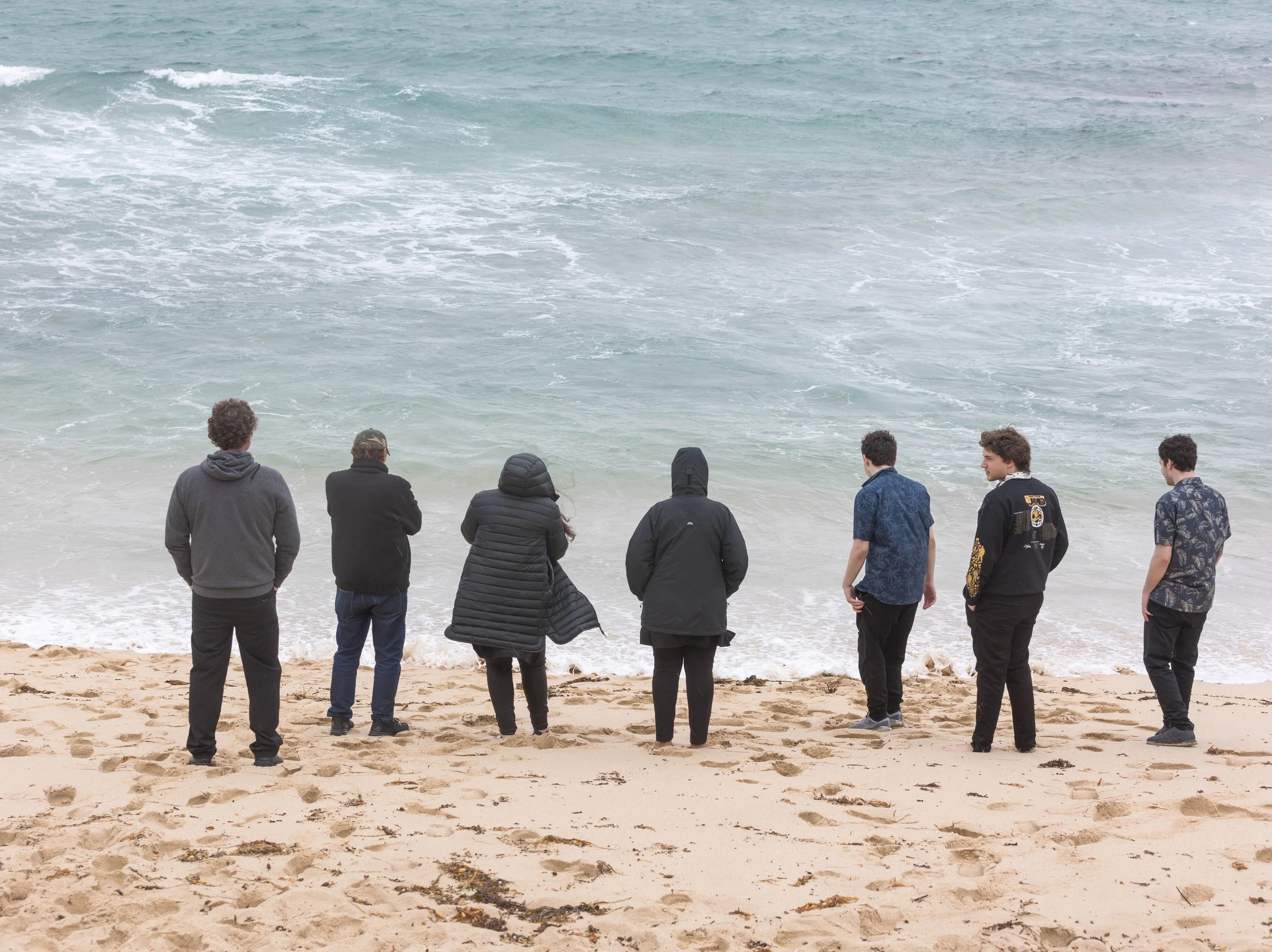
Scattering Ashes Ceremony
A simple moment shared with a few people in a place that mattered to the person who died
Online Tributes
Sharing memories, photos and messages digitally can create a sense of connection, especially for those who can’t be there in person.
These options offer flexibility while still creating a space to acknowledge the loss.
The Importance of Communication
If you decide not to have a funeral, communication becomes even more important.
Let people know:
That there will be no formal service
Whether there may be something later
How they can offer support or pay their respects
This helps manage expectations and ensures that people don’t feel excluded or uncertain.
A simple message can go a long way in maintaining connection during a difficult time.
Looking Back: Regret vs Peace
One of the biggest considerations is how you might feel about the decision later.
Some families feel completely at peace. They know they honoured their loved one in a way that felt right and aligned with their wishes.
Others, however, find themselves wishing they had created a moment to gather, reflect and say goodbye.
This doesn’t mean you’ve “missed your chance.” It’s never too late to hold a memorial, even months or years later.
Grief doesn’t operate on a schedule and neither does remembrance.
Finding What Feels Right
At the heart of it all, the decision to have or not have a funeral comes down to what feels right for you and your family.
There is no universal rule.
What matters most is:
Respecting the wishes of your loved one
Considering the needs of those grieving
Creating space, in whatever form, to acknowledge the loss
Whether that space is public or private, immediate or delayed, traditional or completely unique, it still holds meaning.
Choosing not to have a funeral can simplify the practical side of things, but it can also shift how grief is experienced and shared.
A funeral isn’t just about tradition, it’s about connection, reflection and creating a moment that marks the significance of a life.
If you decide to forgo a formal service, consider what might take its place. Even the smallest gesture can provide comfort, closure and a sense of remembrance.
In the end, it’s not about following a set path, it’s about finding a way to honour a life in a way that feels genuine to you.