What to Say (and Do) When a Friend is Grieving
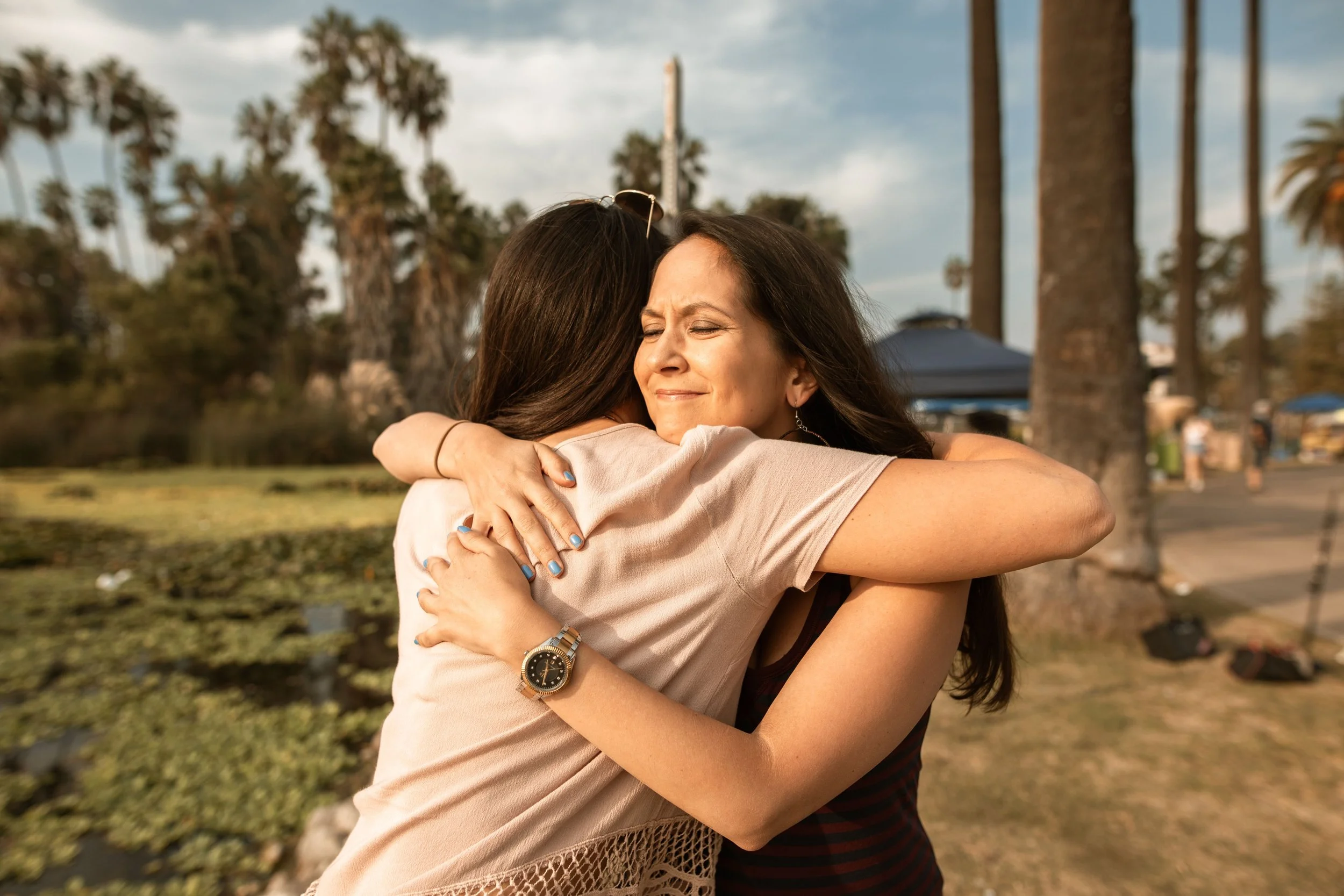
There's a moment most of us have experienced…… you hear that someone you care about has lost a loved one and you freeze. You want to help, you want to say the right thing but suddenly every sentence that comes to mind feels wrong. Too much. Not enough. Clumsy. So sometimes, we say nothing at all. We send a card and hope for the best or we quietly avoid the subject, telling ourselves we're giving them space.
But here's the thing: that silence, however well-meaning, can feel like abandonment to someone who is grieving.
You don't need to have the perfect words. You just need to show up.
"I don't know what to say" and that's okay to admit
One of the most honest and kind things you can say to a grieving friend is exactly that: "I don't know what to say, but I'm here." Grief doesn't need fixing. It doesn't need solving. It needs witnessing. Your presence although it may be awkward and imperfect but is worth more than silence.
Resist the urge to fill the quiet with reassurances. Phrases like "they're in a better place", "everything happens for a reason", or "at least they lived a long life" are almost always heard as a way of closing down the conversation rather than opening it up. They may feel dismissive of the very real pain your friend is in right now.
Show up practically, not just emotionally
Grief is exhausting in ways that are hard to imagine until you've been through it. The admin alone like organising death certificates, funeral arrangements, notifying people, dealing with estates, can feel completely overwhelming. Meanwhile, basic things like eating, sleeping and leaving the house is very difficult when you are grieving.
This is where friends can make an enormous difference.
Instead of "let me know if you need anything" (which puts the burden on them to ask), try being specific:
"I'm making dinner tonight, can I drop something round for you?"
"I'm going to the supermarket this afternoon. Can I grab a few bits for you?"
"I can take the dog for a walk on Thursday if that would help."
Specificity is a gift. It removes the need for your friend to organise, delegate or feel like a burden.
Don't disappear after the funeral
This is perhaps the most important thing to understand about grief: the hardest part often comes after the service is over. In the weeks following a funeral, the casseroles stop arriving, the messages dry up and everyone around the bereaved person seems to return to normal life. But for your loved one, nothing is normal. The loss is just beginning to sink in.
Mark a date in your diary, four weeks away, six weeks, three months and reach out then. Not with a question, but with an action. A message that says "I've been thinking about you …. do you fancy a walk this weekend?" means the world when someone feels forgotten.
Grief doesn't follow a timetable. Anniversaries, birthdays, Mother's Day, Christmas, these can hit just as hard in year two as they did in year one. Again put a reminder in your calendar. A simple "I'm thinking of you today" on a difficult date tells your friend they haven't been forgotten.
Let them talk about the person who died
Many grieving people desperately want to talk about the person they've lost. To share memories, to say their name, to keep them alive in conversation. But friends often avoid bringing up the deceased for fear of upsetting the bereaved.
Say their name. Ask about them. "What was your mum like?" or "What's your favourite memory of him?" gives your friend permission to remember out loud. Tears are not a sign that you've done something wrong. Tears are liquid love and its hard to keep that love contained.
Know when professional support might help
Being a supportive friend doesn't mean being someone's only support. Grief can sometimes deepen into something more complex than prolonged sadness, inability to function or feelings of isolation that don't lift over time. If you're worried about your friend, it's okay to gently mention that talking to a GP or a grief counsellor might help.
You don't have to have all the answers. You just have to not look away.
A final word
After more than 14 years working as a funeral celebrant, I've sat with hundreds of families in the days and weeks around loss. And what I hear, again and again, is that it's the small things that stay with people, the friend who just kept turning up, the neighbour who kept texting even when they didn't reply, the colleague who said their loved one's name out loud when everyone else had stopped.
Grief can be lonely. Your friendship, however imperfect, makes it less so.