Growing Up In Ireland, I Thought This Was Normal.
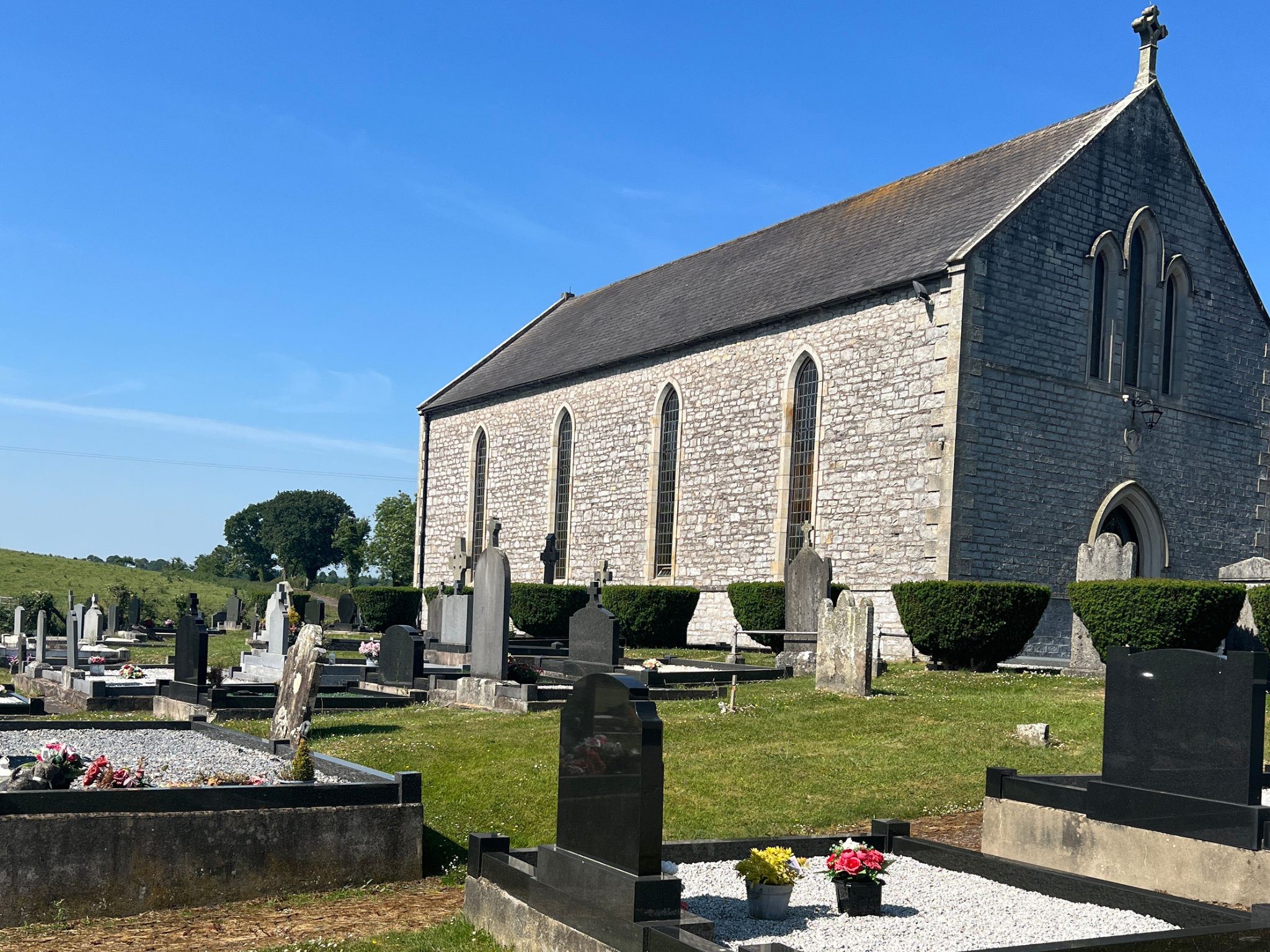
Growing up in Ireland, death was never something that happened behind closed doors.
When someone died, people came.
Family arrived. Neighbours appeared at the door. Tea was made. Sandwiches were prepared. Candles were lit. And most importantly, someone stayed.
Day and night, there was always somebody sitting with the person who had died.
As a child, I didn't realise how unusual this might seem to others. It was simply what we did. It wasn't discussed as a tradition that needed preserving or a ritual that required explanation. It was an expression of care, woven into the fabric of community life.
Looking back now, after more than a decade as a funeral celebrant, I can see the profound wisdom in it.
The Irish wake was never just about mourning. It was about companionship.
It was the final opportunity to gather around someone who had been part of your life and acknowledge their place in your family, your community and your story. People shared memories, laughed at old jokes, retold stories that had been told a hundred times before and sat quietly when words weren't needed.
The wake created space for grief, but also for connection.
There is something deeply comforting about the belief that nobody should make that final journey alone. Not because the person who has died is aware of who is in the room but because those left behind are reminded that love doesn't simply stop at the moment of death.
Historically, the Irish wake survived attempts to suppress it. During periods of British rule, gatherings around the dead were discouraged and at times, restricted. Yet communities continued to hold wakes because they understood something important: some traditions exist because they meet a deeply human need.
The need to gather.
The need to witness.
The need to care for one another.
While modern life has changed many of our customs, I still see echoes of this tradition in the families I work with today. It might not be a three-day wake in the family home. It may simply be a daughter who doesn't want to leave her mum's side at the hospital. A son who spends one last hour sitting quietly with his dad.
Different forms, same instinct.
The refusal to leave someone alone.
As a funeral celebrant, I often witness extraordinary acts of love in the days after a death. They are rarely grand gestures. More often, they are simple acts of presence. Sitting. Staying. Keeping watch.
Perhaps that is one of the greatest lessons death has taught me.
At the end of life, what matters most is rarely what we owned, achieved, or accumulated.
What matters is who showed up.